{{ storyLine }}
{{ storyNext }}
Protecting what remains. Restoring what we’ve lost. Reimagining what’s possible.
A country like no other. Wildlife found nowhere else.
Aotearoa evolved for millions of years without land mammals. That isolation made birds like kiwi, kākā and kererū what they are. It also left them defenceless against the rats, stoats and possums that arrived with people.
Introduced predators, browsing animals and habitat loss are still pushing native species toward extinction. But where predators are controlled and forest is restored, wildlife comes back. Speed and scale are what matter now.
native species are threatened or at risk of extinction in New Zealand.
SOURCE: DOC. VERIFY FIGURE AND DATEThe national goal for New Zealand to be free of possums, rats and stoats.
Predator Free 2050A Pacific figure on island biodiversity loss or seabird decline.
TBC: SOURCED PACIFIC STATISTIC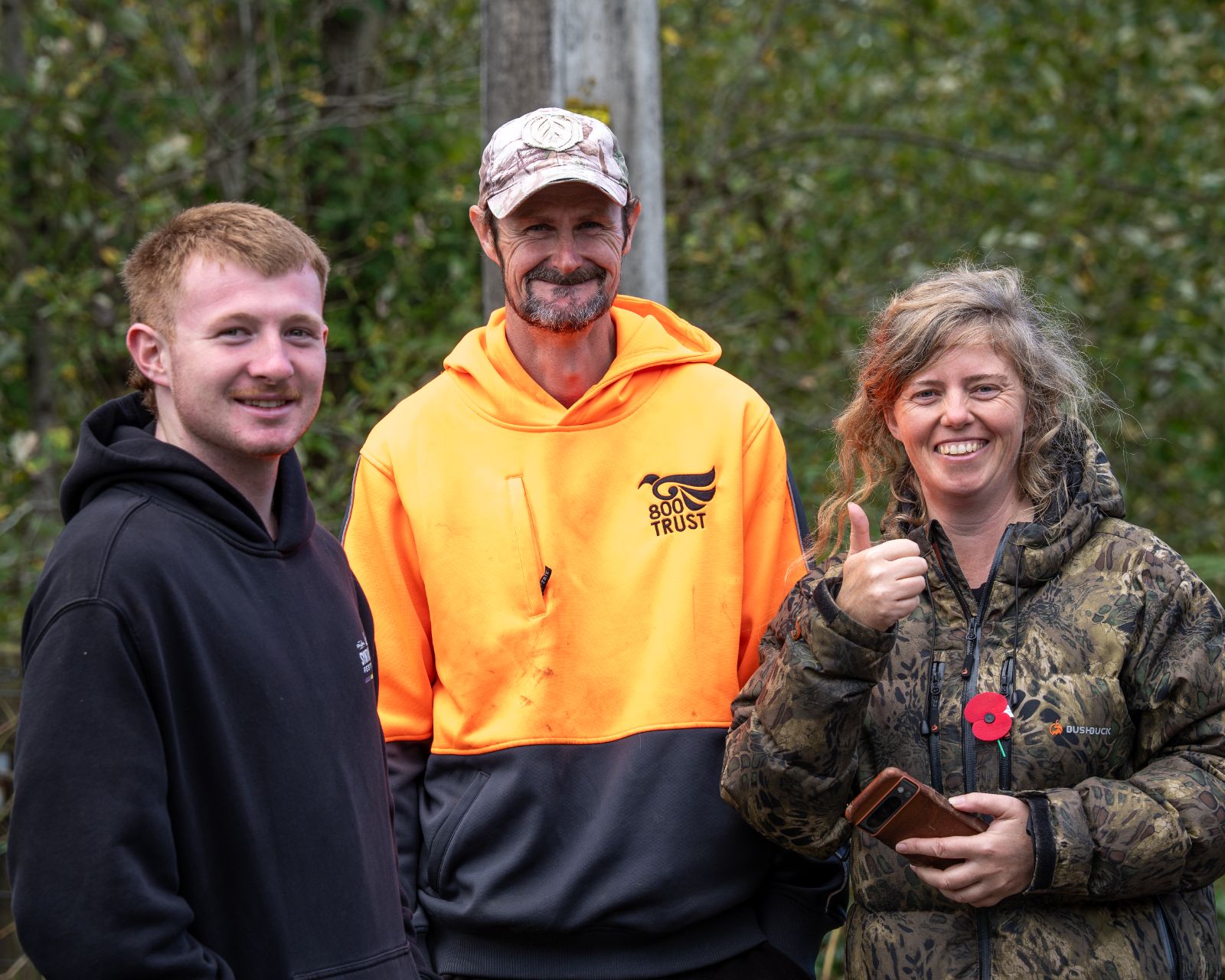
A small team. A vast landscape. An extraordinary ambition.
We’re a conservation charitable trust based in the remote hill country of Eastern Taranaki. Our work covers about 1,480 hectares of land the 800 Trust protects, and it reaches into the wider landscape through partnerships with landowners, communities and Ngāti Maru.
For more than a decade we’ve done the work by hand: trapping, planting, monitoring and training young people. That’s the ground we stand on when we talk about the future.
Restoration is possible.
Each programme below is paired with a photograph, a date and a measurable outcome. Figures marked TBC wait on verified data before launch.
{{ p.title }}
{{ p.copy }}
What if every forest had a voice?

We built Hark because we couldn’t have people everywhere, all the time. It’s acoustic monitoring designed in New Zealand: purpose-built hardware, environmental sensing and AI that listens to remote forest and tells conservationists what’s there.
How Hark works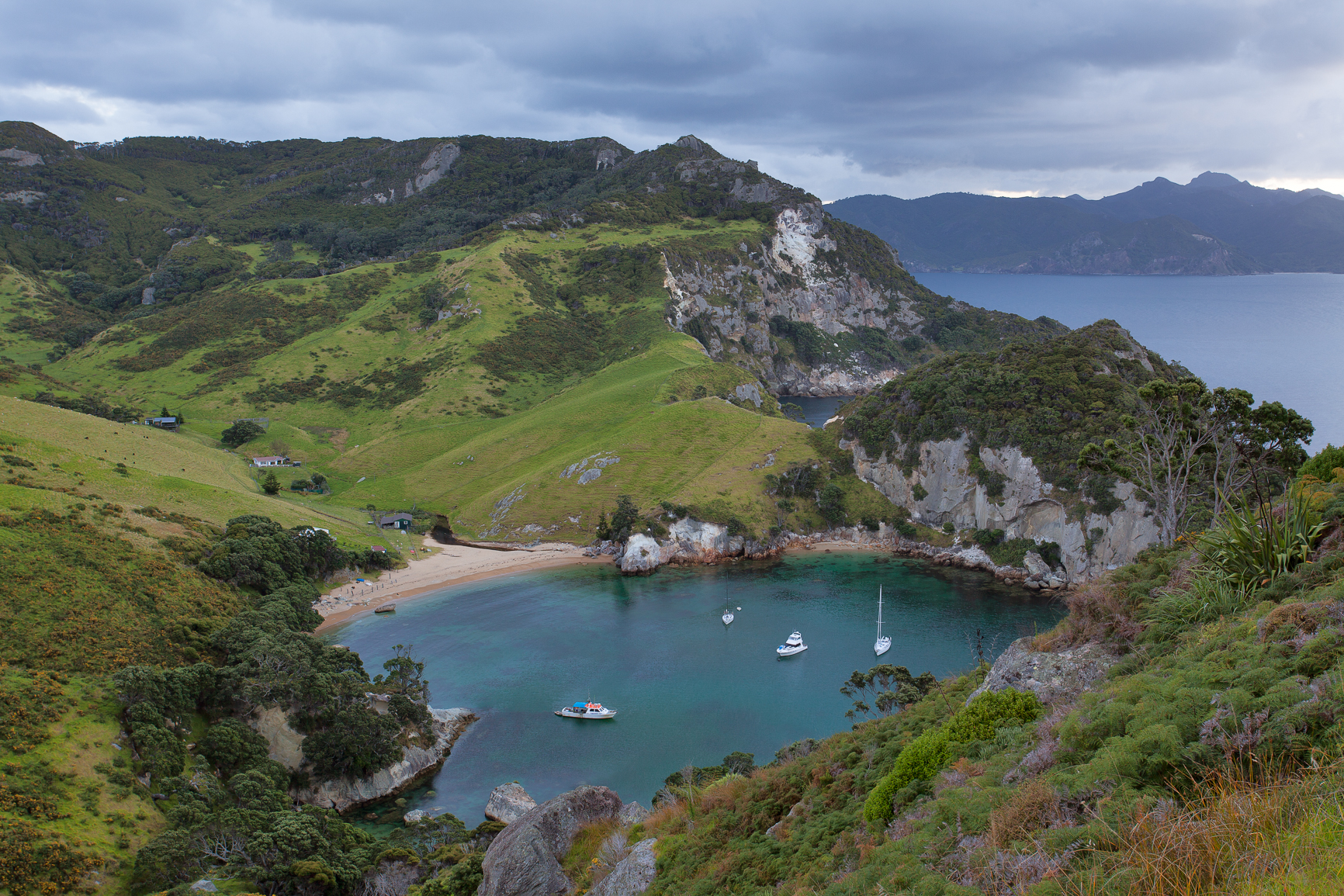
Put a Hark on Rakitu, in your name.
Fund one Hark or the whole island network. Your unit carries your dedication, and you receive its detection reports as the island recovers.
Also open for funding: Southern Lakes and Auckland Islands. Taranaki, Pacific and Asia to follow.Winner: Best Hi-Tech Solution for the Public Good, NZ Hi-Tech Awards 2026.
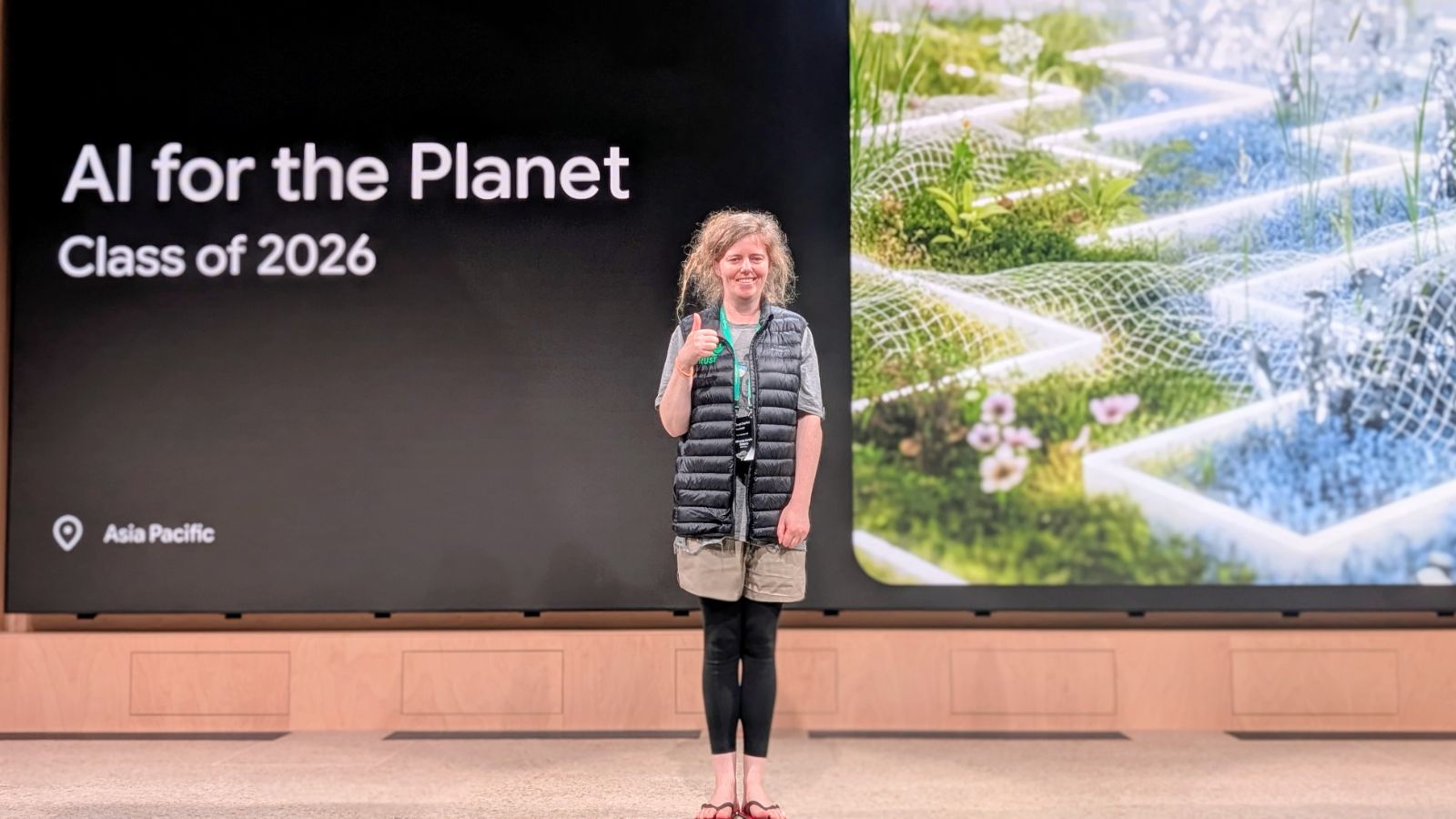
Hark by 800 Trust. Also selected for the AI for the Planet Class of 2026, Asia Pacific.
TBC: CONFIRM AI FOR THE PLANET PROGRAMME HOST + WORDING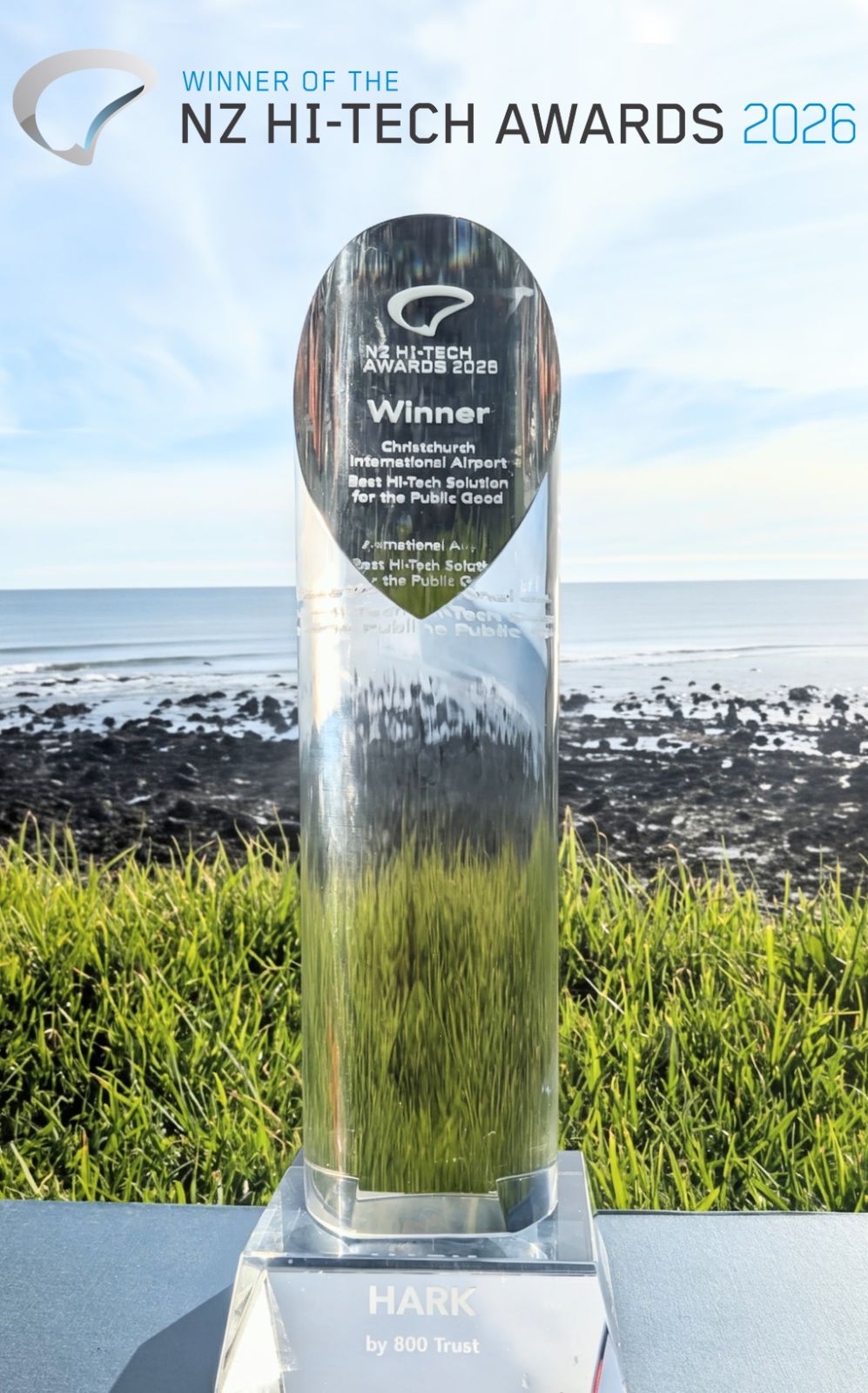
A Pacific where nature can thrive again.
Islands that were once full of seabirds face pressures of their own. In the long term we want to back Pacific communities with technology, knowledge, resources and partnerships. Local leadership and Indigenous knowledge come first. We’ll follow their lead.
Local people set priorities and lead.
Technology supports Indigenous knowledge.
Hark monitoring, training and data.
Pathways for rangatahi across the region.